← Back to blog
Training
“If you want to go fast, go alone. If you want to go far, go together.”
"If you want to go fast, go alone. If you want to go far, go together." Teaching and supervising in China
At the very latest, when the Air China passenger plane turned from Warsaw toward Beijing, I understood that the adventure had begun. The nearly day-long journey to southern China, to Nanchang, took me to a different culture and into the unknown.
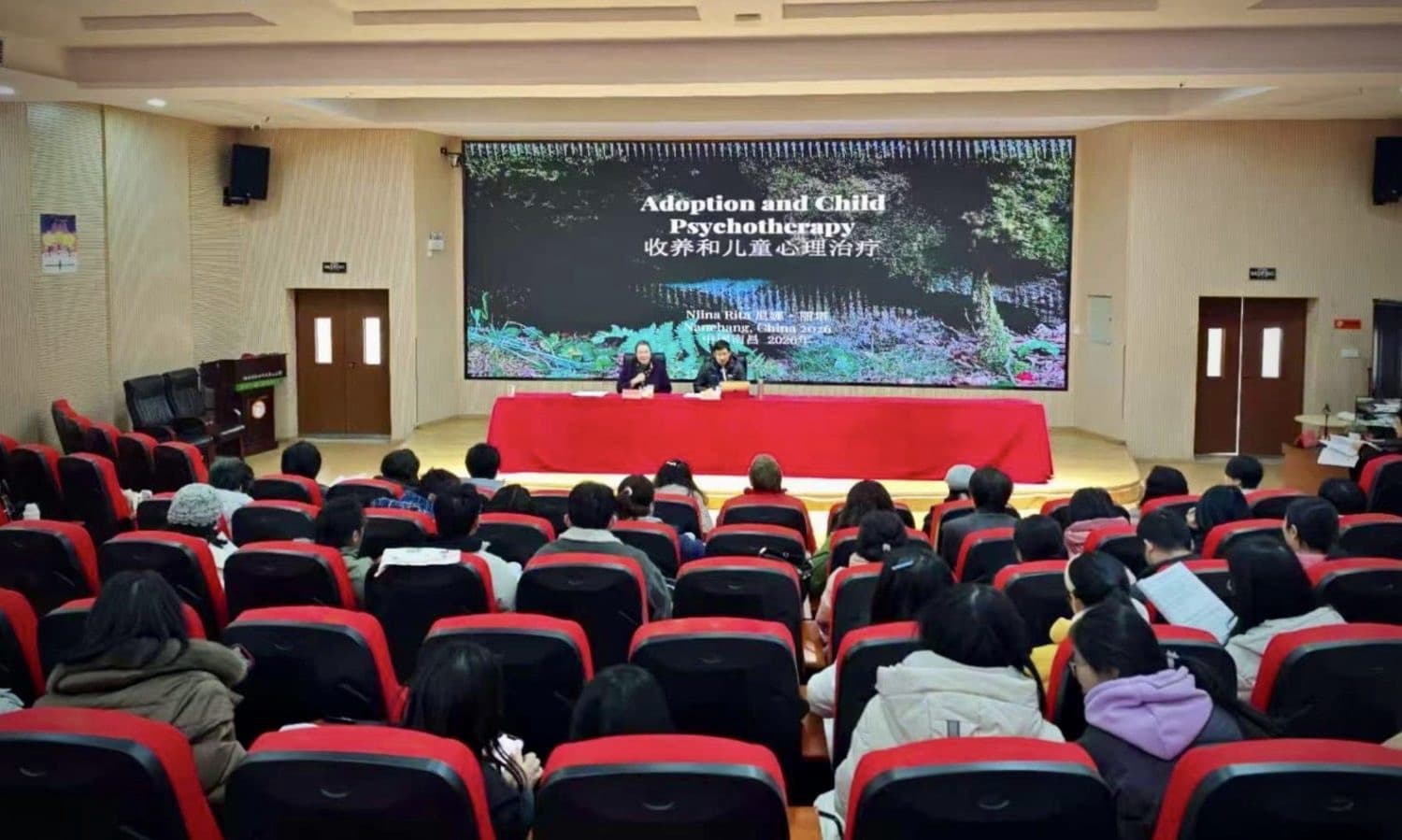
The second training intensive of the two-year child and adolescent psychotherapy program — China-Finland Psychoanalytic Child and Adolescent Psychotherapy Institute – Based on Continuous Training — was about to begin on February 9, 2026. The program was developed and launched together with a local partner by training psychotherapists Sami Kivikkokangas and Antto Luhtavaara. The program consists of intensive weeks held every six months, with supervision sessions in between.
My topics this time were psychotherapy with adopted children and embodied interaction in psychotherapy with adolescents and adults. In China, domestic adoptions are common. The topic of embodiment raised questions, and participants said it was new to them in the context of psychotherapy education. In teaching, the Chinese participants wished for active reciprocity and group work, and following their wishes, we acted out fictional cases and deepened our engagement with patient cases through role-play exercises.
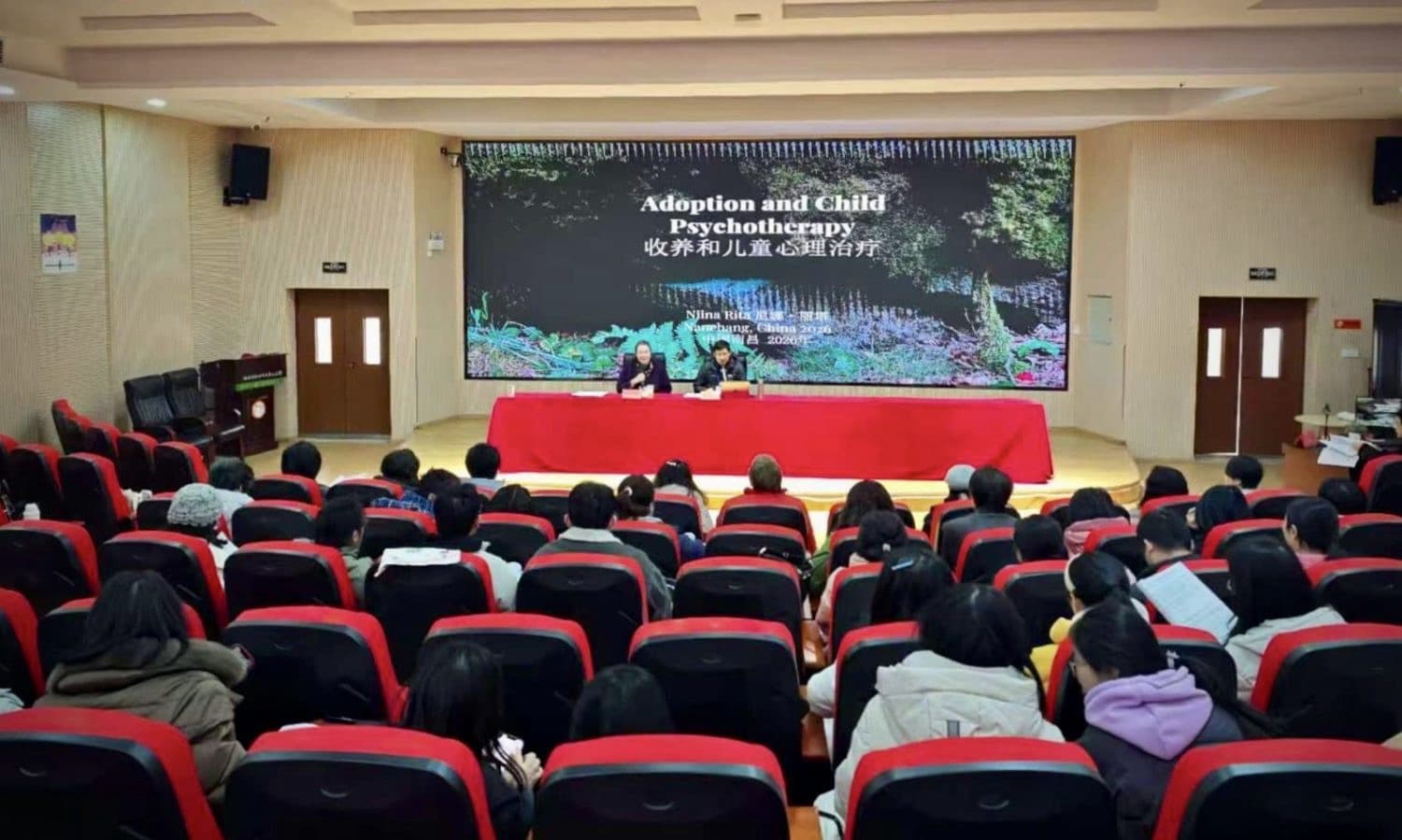
Day and evening teaching sessions, along with daily group supervisions totaling three hours, are part of the program. Child psychotherapy trainer Kaisa-Maria Leskinen and I teach on every other intensive week. The four of us alone represent seven Finnish psychotherapy communities. From different teaching traditions, we highlighted elements central to the psychotherapy process.
The Chinese students are connected to psychotherapy work in different ways. Some are qualified psychotherapists, some are experienced psychologists working in psychiatric hospitals or with social workers, and some are just beginning their path toward becoming psychotherapists. The students' engagement, vitality, sharp questions, and talent made a strong impression. The 25-page case reports prepared for group supervisions were meticulously crafted descriptions.
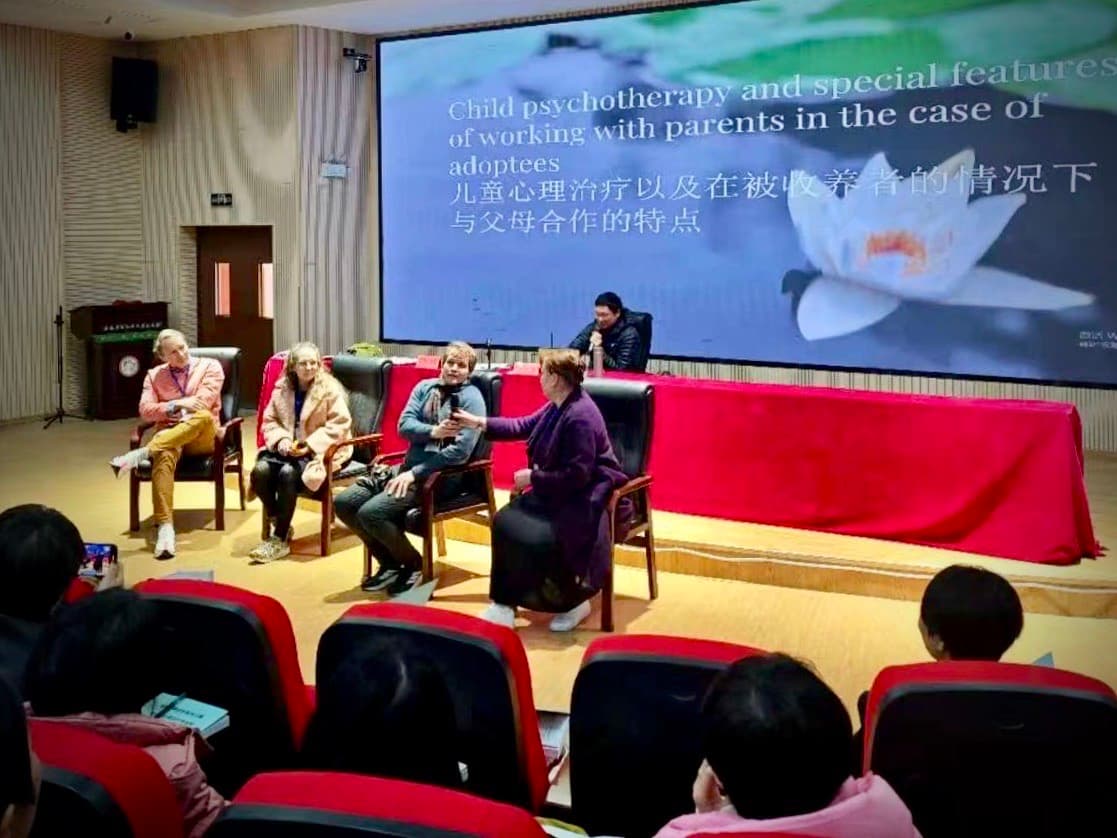
Working with interpreters particularly affects the careful planning of the amount of material and the emphasis on clarity of expression to avoid misunderstandings. In my own teaching, I worked with psychoanalytic individual and group psychotherapist Yang Lihua. The other interpreter in the program is IPA Shanghai training program candidate MD Wu Chunyan (Amy), who brings an interesting connection through being part of the same professional community.
A significant experience was the collaboration and mutual support among us teachers. Stress and pressure were at a higher level than usual, while simultaneously being dependent on feedback from the local partner and students. The support held through the pressure. On the return journey, resting and sleeping on the plane in cramped conditions was possible by leaning on a colleague's back. We need co-regulation and each other's support. I thought about how much strength people have to move in the desired direction when we work together. Shared goals that you can throw yourself into fully, not knowing where they will lead, trusting that you won't fall through the net — these take you further than you could reach alone.
International collaboration with China offers a view into a rich and multifaceted culture, different ways of life, and learning experiences that shake up what one has grown accustomed to. We got a taste of karaoke singing at the closing ceremony, and the immediate need for practice became clearly apparent before the next trip.
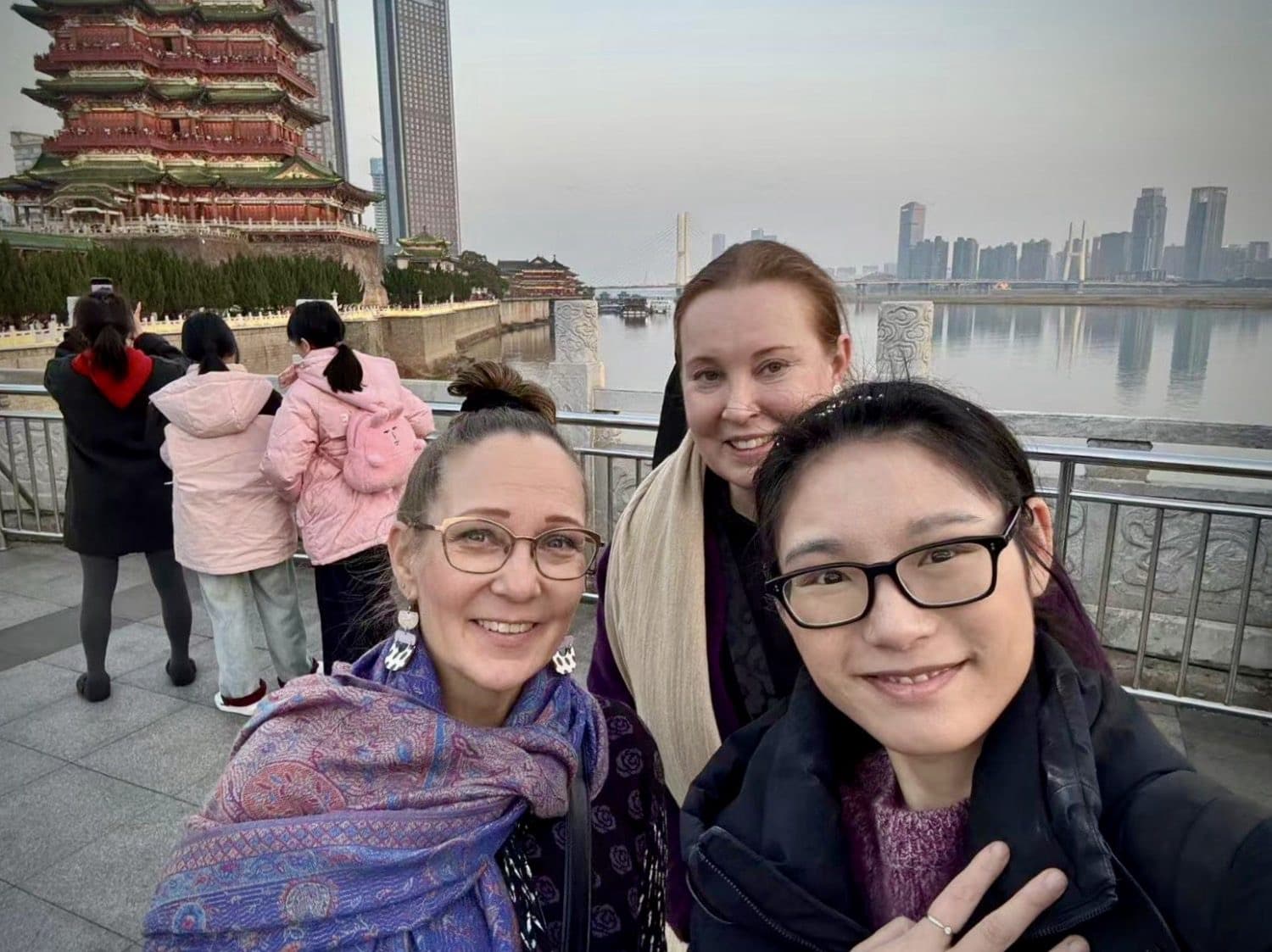
Hospitality and local support create the framework for making the work possible and also for its success. There is reason for gratitude in many directions.
Author: Niina Rita, psychoanalytic candidate, Finnish Psychoanalytical Society, course 33